|
When it comes to precision shooting, one of the most critical factors is trigger control. Proper trigger manipulation creates consistent shots free from any disturbances caused by jerky or hasty movements. In this article, we'll delve into the importance of trigger control and provide valuable tips on how to press the trigger slowly and steadily, without disturbing the rifle, to improve your shooting prowess.
Establishing a Solid Grip Before focusing on trigger control, it's essential to ensure you have a positive grip on the rifle. Proper grip provides a foundation for better control throughout the shooting process. Additionally, a consistent grip helps maintain control and minimizes movement that might disturb your aim. Smoothly Engaging the Trigger To press the trigger slowly without disturbing the rifle, follow these steps: a. Place Your Index Finger: Position the pad of your index finger, or just behind the pad but before the joint where you can feel the pressure onto the bone on the trigger. Avoid using the joint or the very tip of your finger, as this can lead to jerky movements. b. Apply Gradual Pressure: Begin to apply pressure to the trigger in a smooth, gradual, and controlled manner. The motion should be steady and deliberate. An observer should not see the finger moving. Focus on the sight picture and maintaining alignment with the target. c. Avoid Snatching the Trigger: Jerking or snatching the trigger, especially when anticipating the shot, is a common mistake that disturbs the rifle's position. Maintain a steady pressure without flinching or anticipating the recoil. e. Trigger Break: For a new shooter the shot breaks almost as a surprise. By maintaining a slow, steady press on the trigger, you eliminate the chances of any sudden movements that could throw off your shot. An experienced marksman will have an intimate knowledge and feel when the pressure is adequate to break the shot. This gives the marksman the ability to stop the shot process at any time, because it is an intentional process. Conclusion Experience shows that mastering trigger control can reduce groups between 1/4 and 1/2 depending on how poor the technique is to begin with. Mastering trigger control improves precision and consistency. By employing a slow and steady trigger press, you can stop moving the rifle when you initiate the shot. Happy shooting!
0 Comments
Camo is -mostly- man fashion. At close range, camo that breaks up human forms and pattern is helpful, even if it is orange and green. But, at 400 yards, your super secret stealth camo could be making you glow like a scorpion during the day or night. Are you making that mistake? Keep reading to see if you glow like an alien in the woods.
Deer eyes are completely different than human eyes. Sure, all the structures are the same, but its like the difference between a sports car (human eyes) and a 4x4.
Deer can see blue and the UV enhancers that are put in clothes detergent. So, make sure you don't wash with scents or "color enhancers" in your detergent. https://digitalcommons.unl.edu/cgi/viewcontent.cgi?article=1279&context=icwdm_usdanwrc There isn’t a better combo than this watch and a rangefinder…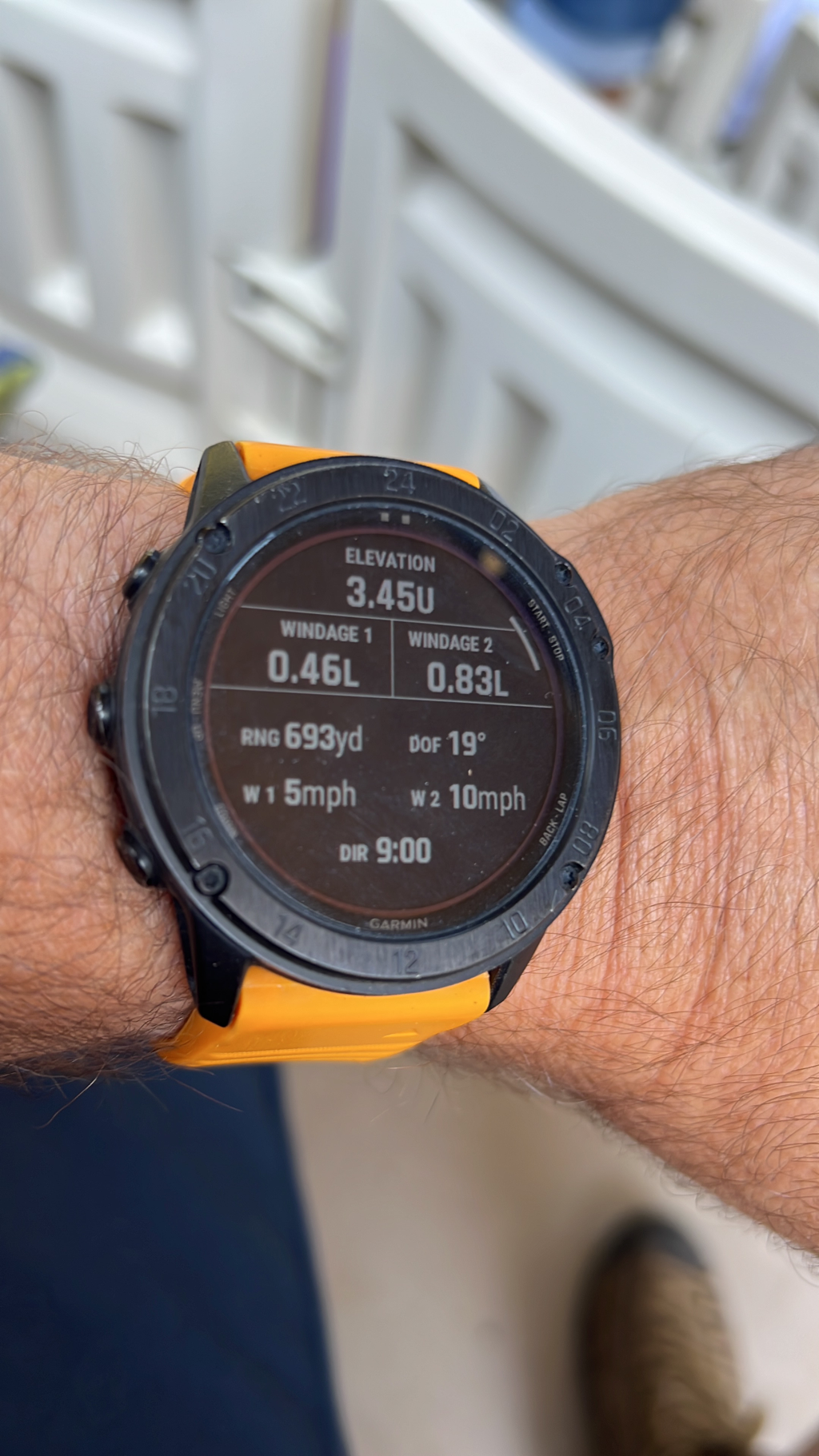  Recoil management separates the experts from the amateurs. And, it punishes experts that get lazy... Recoil management is essential for staying on target before the bullet leaves the muzzle, and maintaining the target in the scope. Consistent recoil management is one of the most important skills for precision rifle, and has a bigger effect than the ammo you shoot or the rifle itself. Without the ability to control the rifle, you cannot reach consistent precision shot to shot, group to group, day to day and from position to position. We've all experienced shooting great groups behind the bench in perfect conditions, and then missing "the same shot" in field conditions. Shooters in precision rifle competitions, especially NRL Hunter matches know that the crosshair can be on the target, but the shot can miss big targets for lots of reasons that have nothing to do with the gear. Long-range precision shooting demands exceptional marksmanship skills, and one crucial aspect that sets the experts apart from the amateurs is the ability to manage recoil. HERE IS THE NUGGET OF KNOWLEDGE: Recoil starts and the recoil impulse is already moving the rifle when the bullet leaves the muzzle. This is the first and shorted part of the recoil impulse as the energy begins to move the rifle. The second part of the recoil impulse is the longest and continues from the time the bullet leaves the barrel the rifle until the recoil impulse ends and the rifle returns to rest. Let's talk more about two "portions" of the recoil process to understand. And, the first is the most important to precision and "group size". 1) BEFORE the bullet leaves the barrel Brakes and suppressors DO NOT change the recoil impulse while the bullet is in the barrel. They work because the expanding gasses behind the bullet are hitting the surfaces, which pushes the rifle forward to counteract the recoil impulse that was already moving. Overall, the greater the recoil impulse, the harder it is to control the rifle. So, your recoil management matters much more between a .22 long rifle that requires nothing compared to a mountain rifle in 300 RUM. The bigger your rifle, the more you need to consistently and competently control recoil from the moment the primer pops until the bullet leaves the bore. If you don't your groups will be larger as a result of how much the rifle moves. Yes, I know the bullet is only in the barrel for a fraction of a second and the majority of recoil happens after the bullet leaves the bore. But, when we are talking about precision, it takes very little from the shooter to induce the smallest movements in the rifle to open groups and start stringing shots.. Consider how much we can see our heartbeat moving the rifle: isn't it self evident that a hard recoiling rifle is going to move the rifle more than your heartbeat. The bullet is in the bore for about the same time as the actual "pump" of the heart. I could talk about flinch, but we'll save that for another day. I haven't seen many shooters who have a big rifle and don't have a big flinch, unless they have had specific training. Twice in the last few months, I had two shooters with 300 RUM rifles that complained about groups. I got behind the rifle, managed the recoil, and shot groups under an inch. Now, my control over the rifle after recoil for spotting my shot and target acquisition was terrible. While I was "consistent" as it related to the shot, my form leaves much to be desired with heavy recoiling rifles. Besides, I am a wimp. I hate recoil and especially the concussive blast of brakes. This sets us up nicely for the next part of the discussion. 2) AFTER the bullet leaves the bore. Recoil management after the bullet leaves the bore won't affect the precision of that shot you just broke. But, it will affect your ability to spot your shot, watch your game if hunting, and quickly break a follow up if needed. At its worst, poor recoil management leads to scope eye... The most significant part of controlling the recoil for purposes of maintaining sight picture, is to be squarely behind the rifle and control it with the shooting hand and the non shooting hand. When everything is in alignment the rifle won't deflect at crazy angles, and the grip of your hands will direct the rifle to return to the same position as when the shot was fired. Here's to better shooting! 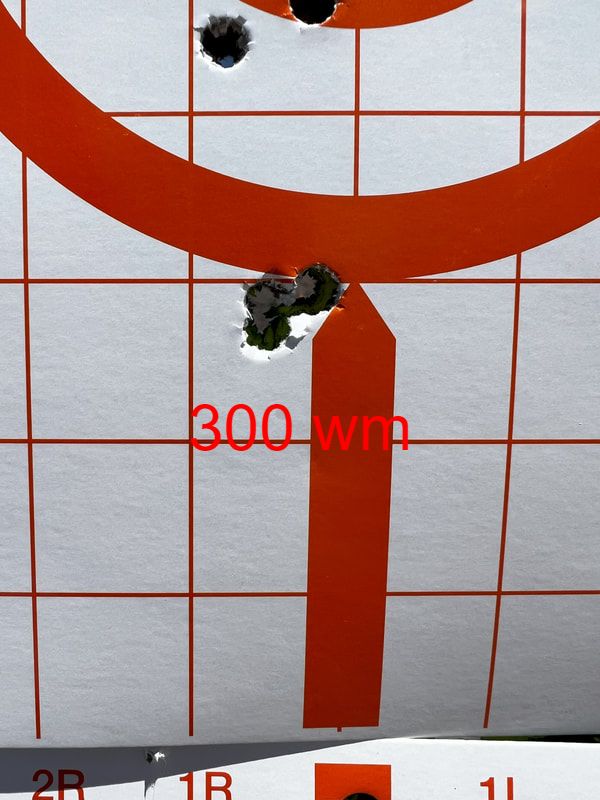 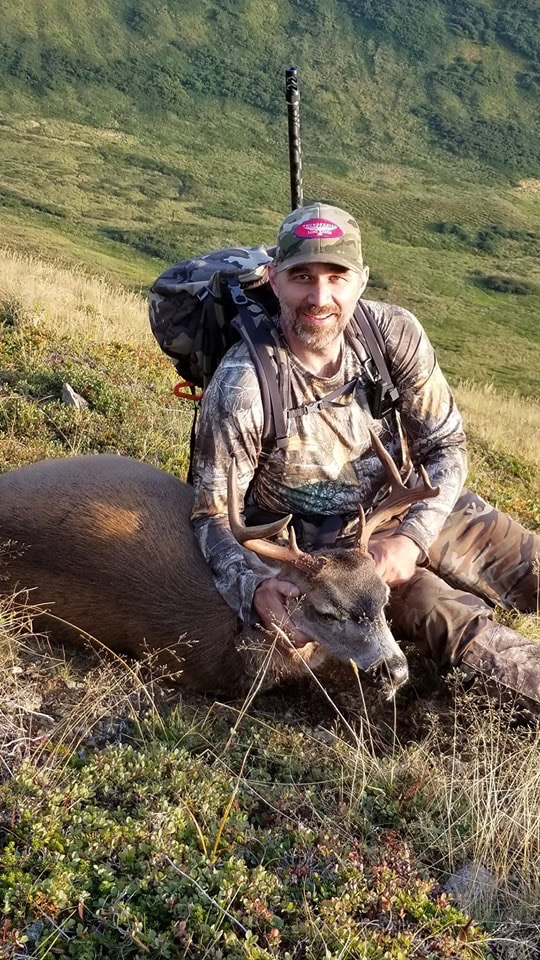 Skinner and I are prepping for another Alaskan adventure. The blacktail in the picture was the first time we went to Alaska. We said we'd be back, and this time we'll be hunting caribou on the North Slope in two months.
We've been dreaming and planning for this for more than a year. But, it is now crunch time. We are gathering our gear and asking ourselves questions about what to bring. Limited space and weight limits won't let us take the kitchen sink. Gear goes onto the pile, and gear gets taken out as we ask ourselves some questions. Comfort, survival, glassing, shooting, and more reasons stalk us.
We have learned that suffering and challenges are part of the adventure. They will always be there. And, once we put in all the time and money to get there, and then the suffering and work to hunt, we want to make the shot count. We won't regret it if we suffer a little, but we will regret it if we miss the shot because we left out a critical piece of gear that made the difference in success. Skinner finished development of the Sonoran Shade. When we hunt in the Sonoran desert of southern Arizona, we are often glassing as the sun rises and sets. Rather than using the brim of our baseball had to keep the glare down, Skinner created the Sonoran Shade for binoculars, spotting scopes, and even rifle scopes. https://www.lswild.com/store/p104/Sonoran-Shade.html 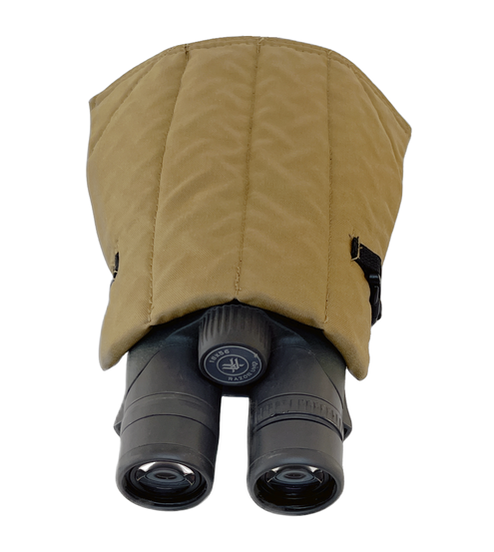 |
 RSS Feed